

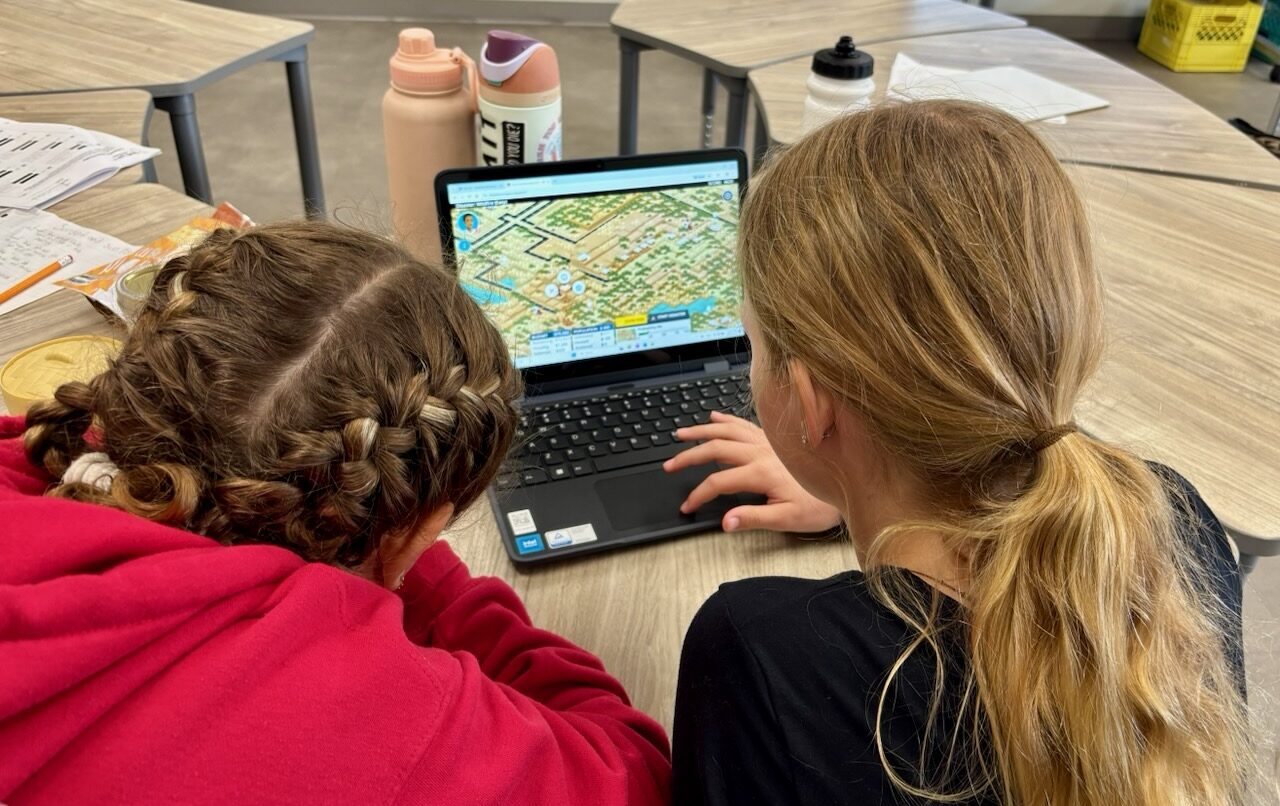
This year, I had the privilege of delivering the Beyond Recycling program to Grade 6 students at Isabella Dicken Elementary School in Fernie. As a first-time educator, I went into the classroom expecting to teach. What I didn’t expect was how much I would learn.
Climate change can feel like a heavy topic for adults. We often approach it through reports, targets, regulations, and debates. Grade 6 students approach it differently. They approach it with curiosity.
Their questions were rarely constrained by assumptions about what is possible. Why can’t we send all our waste into space? Could we use plastic waste to build things that help nature, like beehives? Why don’t we make everything recyclable? What if every house had solar panels?
Not every idea was practical, but that wasn’t the point. The point was that they were imagining solutions rather than accepting the problems.
Some of my favourite moments this year came from the hands-on activities. I watched students transform used paper into new paper and see waste become a resource. I watched them simulate sea turtles mistaking floating plastic for food and begin to understand environmental impacts from a different perspective. And I watched eyes light up when a small solar panel started charging a cell phone – a simple demonstration that suddenly made renewable energy feel real and tangible.
What struck me most was that climate education is not really about teaching facts. It is about creating opportunities for wonder, discovery, and connection. The students already knew about recycling, pollution, and the changes in our climate. What they needed was a chance to explore how systems work and how people, even youth, can influence them.
As the program ends, I find myself reflecting less on what the students learned and more on what they reminded me. They reminded me that curiosity is powerful, that solutions often begin as questions, and that hope is not something we find after problems are solved. It is something we bring to the process of solving them.
My hope is that we don’t lose that perspective as adults. That we continue to see possibilities where others see obstacles. That we remain curious about the world around us. And that we never lose our sense of awe for the natural places and communities we are working to protect for future generations.